Affichage des articles dont le libellé est Microsoft. Afficher tous les articles

lundi 6 juillet 2015

Microsoft reportedly discounts smartphone licensing fees for OEMs who pre-install their apps


microsoft logo building


We weren’t sure what Microsoft offered Samsung to convince them to pre-install their apps on Samsung’s latest phones and tablets, but new information reported by DigiTimes suggest a very valuable deal could have been made.


According to them, Microsoft has started offering OEMs discounts on smartphone licensing fees in exchange for getting Microsoft apps preloaded on their devices. If you’re not aware, Microsoft commands a great deal of essential mobile-related patents and force many Android manufacturers to pay for the privilege of using them.


They make a lot of money doing this, with estimates being anywhere between to per device. When you consider the hundreds of millions of Android devices sold by the top manufacturers, that’s a lot of dough (so much so that they actually make more money on Android’s success than they do their own mobile platform).


Lowering the price tag for companies who agree to install Microsoft apps is a very smart move. While it helps, Microsoft doesn’t really need the extra bit of revenue that they get from these deals.


In their quest to transition to a software and services company it’s increasingly important for customers to be exposed to these apps. It helps Microsoft capture mind share in the absence of market share. Some would say that is far more valuable than a few extra dollars being made for every Android device being sold, and they wouldn’t be wrong.


Whether this is the deal Samsung, Dell and the 9 other Android OEMs agreed to in order to accept Microsoft’s apps on their devices remains to be known, but we’re finding it hard to think of any other reason to get in bed with a company they don’t otherwise need to get in bed with to be successful.


Rumor: Microsoft could make it possible to run Android apps on Windows 10


android-on-windows-640x424


Microsoft’s big developer conference is coming up next week, and while there normally wouldn’t be many implications for Android outside of announcements pertaining to their Office suite of apps, there’s even more reason to pay attention to this year’s conference.


Windows enthusiast blogger Paul Thurrott has revealed that Microsoft will most likely announce that Windows 10 will support Android apps. The details are slim, but we imagine it wouldn’t be much different than what Blackberry did a couple of years ago. The Canadian company created an Android runtime that would allow Android apps to run as long as the app was properly ported by a developer, a process which only took about 5 minutes of work.


Microsoft has struggled in the apps department to this point, with many developers opting to skip their platform altogether when it comes to mobile apps. The likely reason is that there simply isn’t a big enough user base on Windows Phone for developers to commit resources to. On the flipside, users aren’t going to want to use a platform that doesn’t have as many apps as the competition.


It’s your classic chicken or egg scenario: something has to come first, and it’s not crazy to suggest Microsoft believes that “something” has to be the apps. The onus is on them to attract developers and persuade them to build apps for their platform, and while Microsoft’s current efforts have been noble it simply hasn’t been enough.


Tell a developer they can port their pre-existing app to your platform in 5 minutes and the needle might finally move. That brings more apps, which brings more users, which ultimately might convince more developers to learn how to build native apps for the platform and make it the thriving marketplace it needs to be to survive in today’s mobile world.


This obviously won’t offer as great an app experience as an Android phone would, what with many apps taking advantage of Google Play Services’ unique APIs and services to create rich features. But a decent stable of apps to full a couple of gaps can’t hurt Microsoft more than they’re already hurting.


Bloomberg: Microsoft didn’t invest in Cyanogen after all


cyanogenmod new logo


After a surprising report that Microsoft was set to be a minority investor in Cyanogen’s latest round of funding, Bloomberg reports that didn’t actually end up happening. As of now Microsoft has no financial ties to Cyanogen, though the two are said to have at least negotiated a deal.


Still, Cyanogen has enough interest from other big players that they’re supposedly set to secure 0 million in funding, a move that could value their company at more than half a billion dollars once it’s all said and done.


The timing of the Microsoft rumor was magnified by these infamous words uttered by Cyanogen’s CEO: “we want to take Android from Google.” Not sure what the company meant at the time, everyone had feared they’d look to build a fork of Android reliant on Microsoft’s services.


Cyanogen later clarified that they meant they wanted to allow companies to be able to use Android without having to adhere to Google’s tricky usage licenses and agreements. In case you’re not aware, Android is free to download for anyone who’s interested — they put the source out there clear as day — but most of Android’s best features aren’t accessible unless you agree to load up Google’s entire ecosystem of services, apps and goods.


It’s not a big issue for most big companies, but for the smaller guys who might not be able to secure a proper license from Google without a good deal of financial hardship it’s seen as an absolutely nightmarish situation. It’s Cyanogen’s hope that they’ll be able to build an open ecosystem that everyone can enjoy no matter where they download it, why they download it and what they’re planning to use it for.


Cyanogen announces partnership with Microsoft that will bundle their apps on Cyanogen OS


Microsoft logo cyanogenmod


OK, so Cyanogen was only half-joking about their operating system being “powered by Microsoft” on April Fools day. The company today announced that they’ve entered a strategic partnership with the Redmond-based company to have their apps pre-loaded on Cyanogen OS.


Bing services, Skype, OneDrive, OneNote, Outlook, and Microsoft Office will all find homes on devices that come with Cyanogen OS (and not necessarily CyanogenMod, the community-focused ROM). The apps will be “deeply integrated” with Cyanogen OS at its core, though we’re not expecting them to enable you to do anything that simply downloading the apps from the Google Play Store doesn’t already.


And that’s it folks — Cyanogen and Microsoft definitely are a thing, no matter how many rumor-busting reports wanted to deny it. Let us know how you feel about that in the comments ahead.


[via Digital Journal]


Microsoft is making a ROM that will transform your Android phone into a Windows Phone


misswindowsphone2


Microsoft has been doing a lot of work to capture mind share by releasing many of their latest apps and services on Android, but the company could look to get the “market” share to go along with it in their latest move. TechCrunch reports Microsoft is working on a custom ROM that will emulate a Windows Phone 10 experience.


This won’t be some simple Metro-styled launcher, either — this is apparently going to operate as a full-blown operating system as if you had originally bought a Windows 10 phone with access to Microsoft’s wealth of apps and services.


Xiaomi has agreed to make their flagship MI 4 a testing platform for the projects, though the company is clear to note that this isn’t a “partnership” of sorts where Xiaomi will begin shipping Mi 4 units with Windows 10 instead of MIUI. Instead, this is a pure trial for only the most interested Mi 4 owners, and the opportunity to take part won’t be extended to everyone.


Microsoft issued the following statement regarding the program:


As part of the Windows Insider Program, Microsoft will partner with Xiaomi to offer Windows 10 free downloads to a select group of Xiaomi Mi4 users. Xiaomi Mi4 users will get the ability to flash their phones with the new Windows 10 OS and provide feedback to Xiaomi and Microsoft on their experience. This partnership will allow Xiaomi and Microsoft to get direct user feedback and continue to improve the experience for China. Microsoft is thrilled to see Xiaomi embracing Windows 10 and offering this great value to their customers. We’re excited to see the feedback we receive from this audience.


Xiaomi is a leading phone manufacturer in China undergoing significant global expansion. We are excited to partner with them in China and jointly gather feedback from Chinese users on their experience with Windows 10 to jointly collaborate on product and services development for the platform.


Availability will be announced in the months to come.


Microsoft’s motive for this interesting move isn’t clear. Is this meant to give users a taste of Windows 10 so Microsoft can entice them to buy into the real deal? Does Microsoft want to create an alternate platform for users to use and become a true device-agnostic platform that can be used on a wide variety of devices like their desktop operating system is? Are they simply bored? Who knows, but they have our ear either way and we can’t wait to see how well this project turns out to be once it’s available for folks to try out.


Microsoft Hyperlapse for Android lets you easily create smooth time lapse videos


microsoft hyperlapse header


Microsoft has a new app on the Google Play store if you don’t mind enrolling in a beta test. It’s Hyperlapse, their video recording app that lets you easily create smooth time laps videos.


“Big deal, I can speed up any video” you might think, but there’s more at work here than a simple fast forward feature. Microsoft researches have created an algorithm that’ll make a 3D map of the landscape throughout an entire video and analyze each and every frame. From there, it selects the best frames that will make for the smoothest transitions throughout the timelapse and stitch them together.


What this does is eliminate the weird shaky camera effect you get from typical moving timelapse videos to create a smoother experience, and not one that’s “unwatchable” (by Microsoft’s standards).


The technology was only intended to be used in the professional scene, but Microsoft feels so good about what they have that they’re bringing it for consumers, creators and businesses alike. Those hoping to try it on Android can simply join the beta community on Google+ right here and enroll right here, though note you’ll have to be on at least Android 4.4 KitKat with the following smartphones:


Microsoft says they’ll look to add more over time, but this is it for the time being. Be sure to give it a go, and feel free to share your time lapse creations once you’ve taken it for a spin!


Microsoft confirms Cortana personal assistant is coming to Android this summer


microsoft mobile apps setup


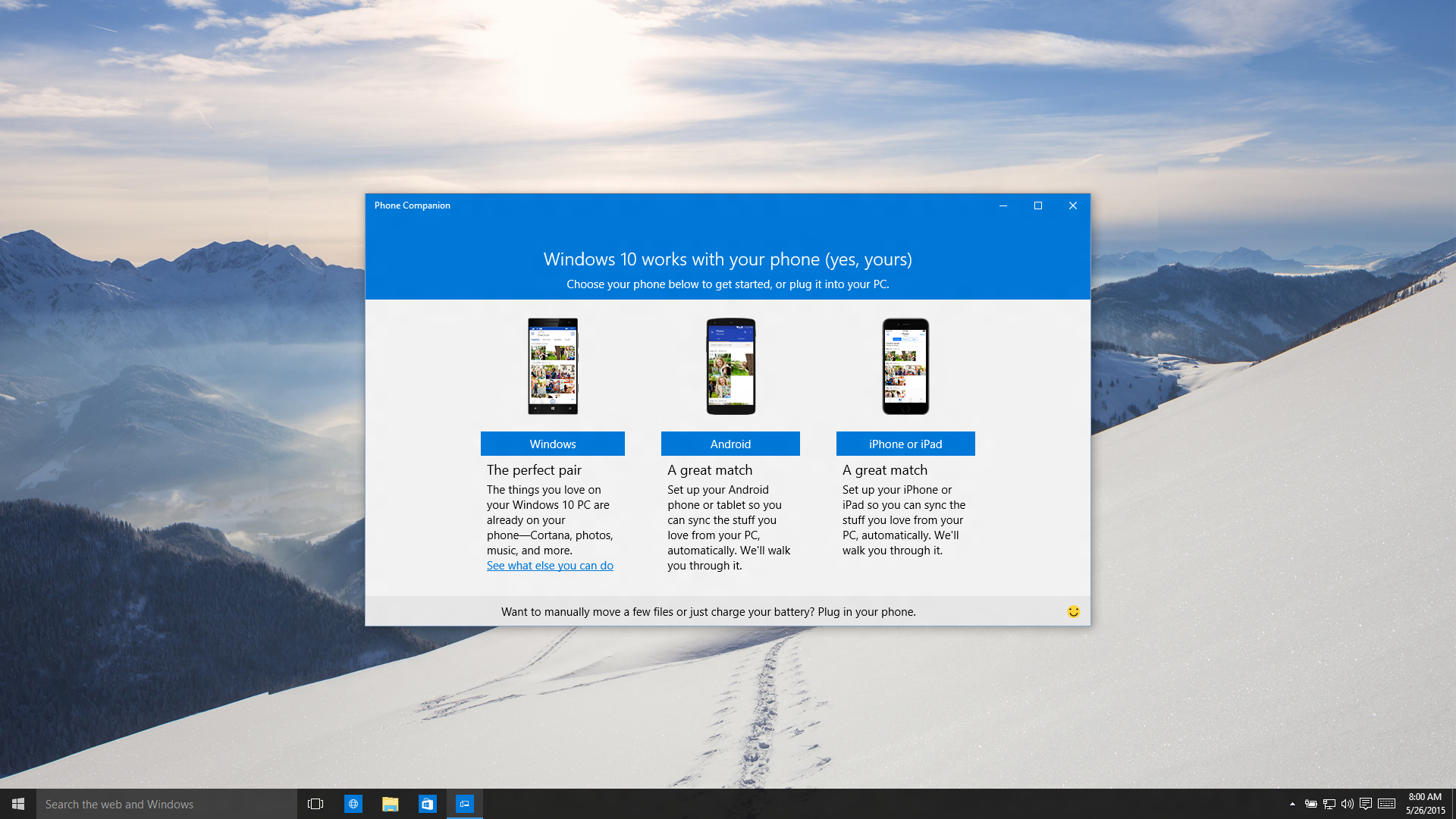
Microsoft today announced that Windows 10 will support Cortana integration not only with their own smartphone, but also for those using Android phones or the iPhone. The functionality will come as part of the OS upgrade happening later this summer.


Microsoft Cortana is a voice assistant service, not all that dissimilar to Siri or Google Search + Google Now. Cortana is actually pretty good at what it does, with some people willing to give it the throne of best voice assistant.


So what’ll it bring? Here’s a quick look at the feature set Microsoft is boasting:


  • You can have Cortana remind you to pick up milk the next time you’re at the grocery store, and then your phone will wake up and buzz with the reminder.

  • You’ll be able to ask about the weather.

  • Or sports scores.

  • Or anything else you would head to a search engine for.

  • You’ll be able to track a flight using Cortana on both your phone and your PC, and get the updates on the device that you’re on so you don’t miss anything.

  • Everything in Cortana’s Notebook will show up across all your devices and any changes you make on one device will be reflected when you use Cortana on any of your other devices.

  • The Cortana companion app will help you complete tasks you begin on your PC wherever you are, on your phone.


Unfortunately Android and iOS users won’t be enjoying some of the other things made possible by owning a Windows phone, such as being able to toggle settings. That sort of stuff requires more open access to system settings which Microsoft doesn’t have. Regardless, it’s better than having nothing at all.


windows 10 cortana for android


Microsoft also detailed some of the other Windows 10 integration being worked on, including syncing your files across devices with OneDrive and being able to play music stored in OneDrive through the Xbox Music app. It all sounds great and we can’t wait for it to arrive.


So when will it happen? Microsoft says a new preview version of Windows 10 is heading out in a few weeks, and the Cortana apps for mobile should be out by the end of June. That’s not a long wait and you can bet we’ll be checking it out to see if it can’t steal us away from Google Now.


[via Microsoft]


Download the Microsoft Word, Excel and Powerpoint preview apps on your Android phone


microsoft office for android phones preview


Microsoft has today announced that the phone-specific versions of their Office apps are ready for public preview, and that you can download them right now. You’ll be getting Excel, Word and Powerpoint in user interfaces fit for the smaller screen of a phone.


So what do you have to do to download them? Simple:


And that’s it! Prior experience with Microsoft previews tell us there shouldn’t be much to worry about in terms of stability here, and that it won’t be long before we see a general release if no major issues pop up. That said, if you simply can’t wait for general availability then this is the fastest way to get Microsoft’s Office apps on your Android phone.


[via Google+]


Google, Microsoft, Apple and more urge Obama to protect smartphone security and privacy in open letter


Handshake


It’s that time again, folks — a cause so important has resulted in the country’s top tech firms joining hands to stand up and fight. This time, Google, Microsoft, Apple, Facebook, Twitter, Yahoo, Adobe and many more companies, technology experts and security experts (including some within his own cabinet) have all signed a 6 page letter to President Obama (which was recently published by The Washington Post).


obama-356133_1280


The letter urges Mr. President to reconsider supporting legislature that would require device makers to give police and law enforcement backdoor access to users of their products:


We urge you to reject any proposal that U.S. companies deliberately weaken the security of their products.


We request that the White House instead focus on developing policies that will promote rather than undermine the wide adoption

of strong encryption technology.


Such policies will in turn help to promote and protect cybersecurity, economic growth, and human rights, both here and abroad.


This comes at a time where all three companies responsible for the world’s top mobile operating systems are doing more than ever to strengthen the security of their users’ devices as they become more popular not only with common consumers, but also with businesses and government agencies that handle sensitive data.


For Google’s part, Android 5.0 Lollipop introduced full device encryption, though the company has yet to implement or activate policies that would force manufacturers to enable the encryption by default.


No one wants more for it to be easier to catch baddies than the American public, but giving up basic civil liberties and privacy is where most will draw a hard line. And it’s not just about taking the government’s word that the access would be used in a responsible manner, but you also have to consider the matter of exposing millions of devices to potential cyber security threats and possibly exposing sensitive data to any ill-mannered black hat hackers.


The full letter isn’t very long at all (in fact, the list of signees takes up 66% of the document’s pages), so give it a read and see if you agree. Our bet is that you will, and that you’ll send your thoughts to POTUS himself on his shiny, brand new Twitter account right here.


Gmail update brings Oauth support for Yahoo and Microsoft email accounts


Gmail All Inboxes View tablet


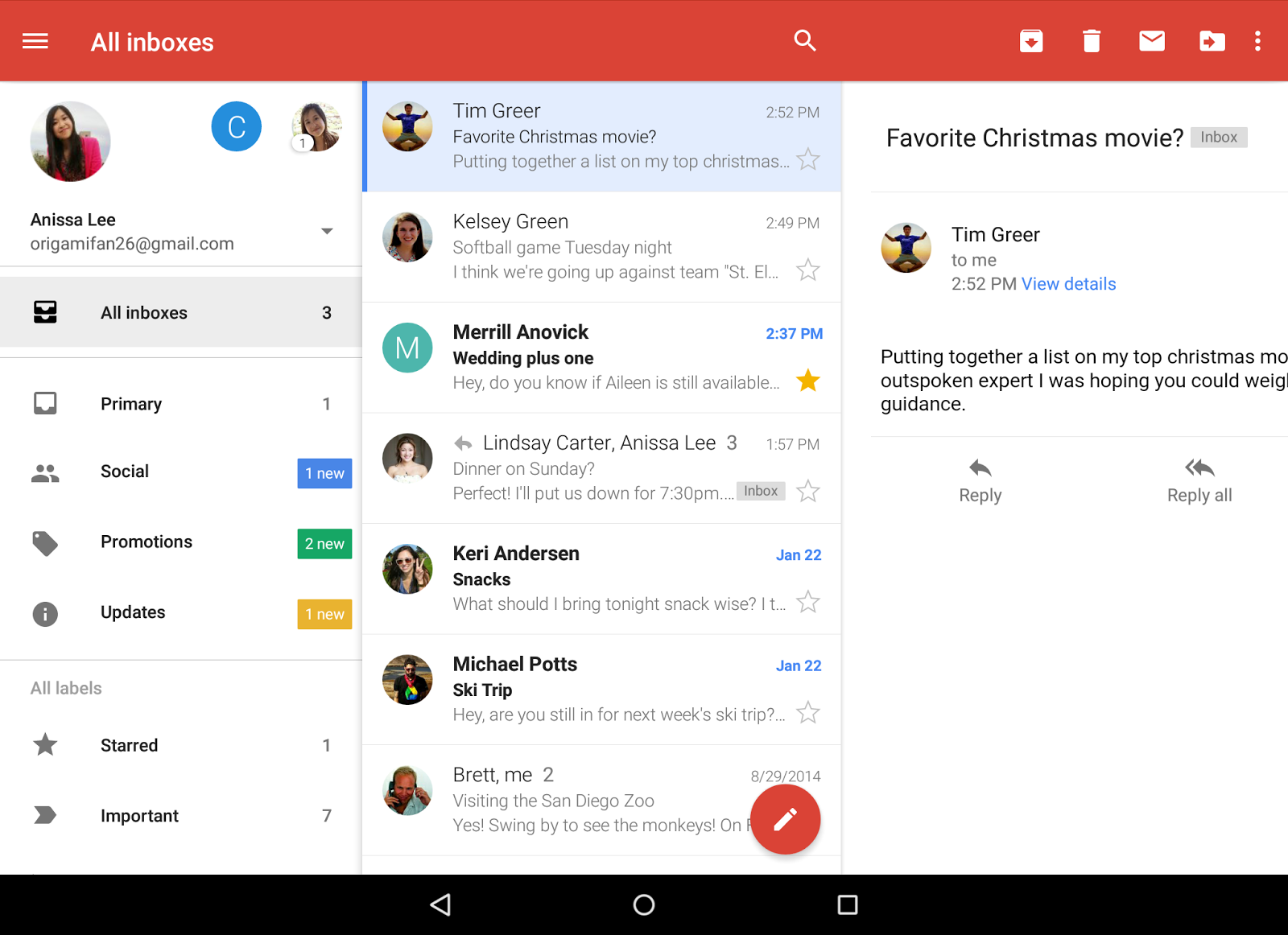
Last year we saw Gmail updated to version 5.0 with the ability to add inboxes from Yahoo, Outlook, or any other POP/IMAP email accounts. It was a pretty big move, but one that may have been a little too light on security for some folks.


Today, Google has announced that they’ve officially brought Oauth support to Yahoo and Microsoft accounts. This means anyone using these can take advantage of added security features like 2-step verification and/or account recovery. It’s already available in the latest Gmail update which is already rolling out on the Google Play Store.


Download link provided below for your convenience.


[Google]


Microsoft confirms Cortana for Android beta will be here as soon as July


cortana android


Microsoft has announced that Cortana for Android will be here in July just in time for Windows 10’s launch. To be clear, it’ll be unleashed as a beta, and as such you should expect that things aren’t fully functional from the start. We won’t get full Cortana love until later in the year.


Cortana, if you don’t know, is Microsoft’s digital assistant. It got its start on Windows Phone, but the company is looking to make it your go-to service no matter which device you’re on. Cortana will integrate with Microsoft’s suite of apps, with a Notebook feature allowing you to have her jot down notes and details important to you.


You can also use it to do things like set reminders, and once that reminder arrives it will alert you on any device where you have Cortana enabled (including other Android phones or tablets, Xbox One, or your Windows 10 PC). You can ask it things about sports, weather, movies, music and more.


Google Now is awesome and it always will be, but Cortana has enough going for it that it’ll at least be worth a try once it makes its way to more devices later this year. We’ll surely be on the lookout for the app’s release date as we inch closer to Windows 10.


[via Microsoft]


Microsoft Word, Excel and Powerpoint for Android phones get stable launch on Google Play


office365_0


Quick heads-up, folks: Microsoft’s Office apps that are made specific for phones have exited preview and are now available for public download on the Google Play Store. You’ll get Microsoft Word, Microsoft Excel and Microsoft Powerpoint for use on your small screen device.


If you don’t remember, Microsoft recently made their apps free to use for viewing and basic editing of documents. You’ll need an Office 365 subscription if you want total freedom, but having a free component is a nice way to see if that monthly subscription (about .99, last we checked) is worth maintaining. Be sure to grab your downloads from Google Play using the links straight ahead..


Download Microsoft Word for Android


Download Microsoft Excel for Android


Download Microsoft Powerpoint for Android